

Communication
In-home ABA therapy helps children practice saying “hello” and “goodbye,” asking for favorite toys or snacks, and following simple instructions like putting on shoes.
In-Home ABA Therapy
Skip the Drive, Start the Progress
Blue Jay ABA brings professional autism therapy directly to your home. Your living room becomes the therapy room. Your kitchen table becomes a learning space. Your backyard becomes a place to practice social skills.
Get Started Insurance accepted










The basics
In-home ABA therapy is a form of Applied Behavior Analysis (ABA) conducted within the comfort of a child's own environment. ABA therapy is the leading approach for treating individuals with Autism Spectrum Disorder and other neurodevelopmental differences. While this therapy can occur in various settings such as schools and specialized centers, in-home ABA offers a unique opportunity for personalized treatment tailored to the child's natural surroundings.
Your child learns to communicate during actual family conversations. They practice independence with their own toys, their own routines, their own daily schedule. Skills develop naturally because they're learning in the place where they'll actually use them.
Schedule Your In-Home AssessmentWhy Home Makes All the Difference
In-home ABA therapy allows children to learn in a comfortable and familiar setting, reducing distractions and making it easier to adapt and learn new routines effectively.
Parents and family members can actively participate in sessions, gaining valuable insights and strategies to support their child's development. This involvement fosters a cohesive approach to skill-building and daily interactions.
Therapists address skills directly within the child's daily routines, such as personal hygiene, mealtime behaviors, and bedtime routines, helping children generalize skills more quickly and effectively.
Including siblings and friends in therapy sessions helps children practice social interactions in real-world contexts, strengthening social skills, peer relationships, and overall social competence.
In-Home ABA Benefits
In-home ABA therapy helps children practice saying “hello” and “goodbye,” asking for favorite toys or snacks, and following simple instructions like putting on shoes.

Through activities like playing board games, children learn to share, take turns, say “please” and “thank you,” and recognize facial expressions.
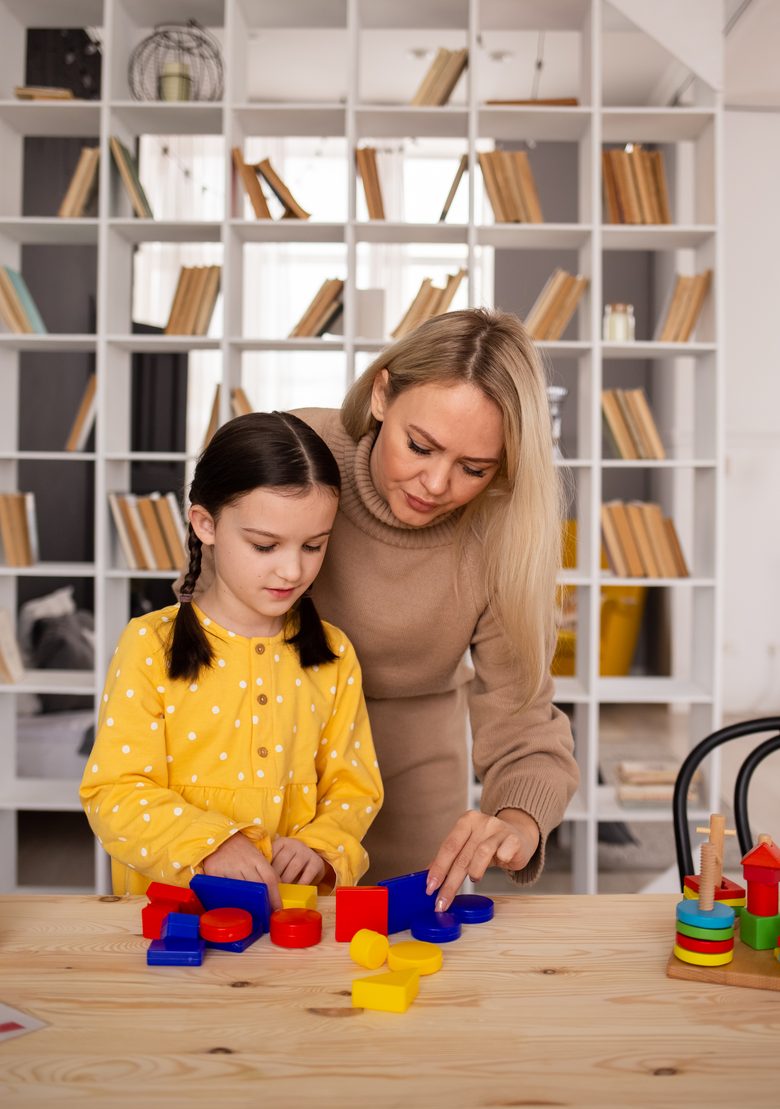
Children learn to brush their teeth, wash their hands, set the table, sort laundry, pour drinks, and use utensils independently.
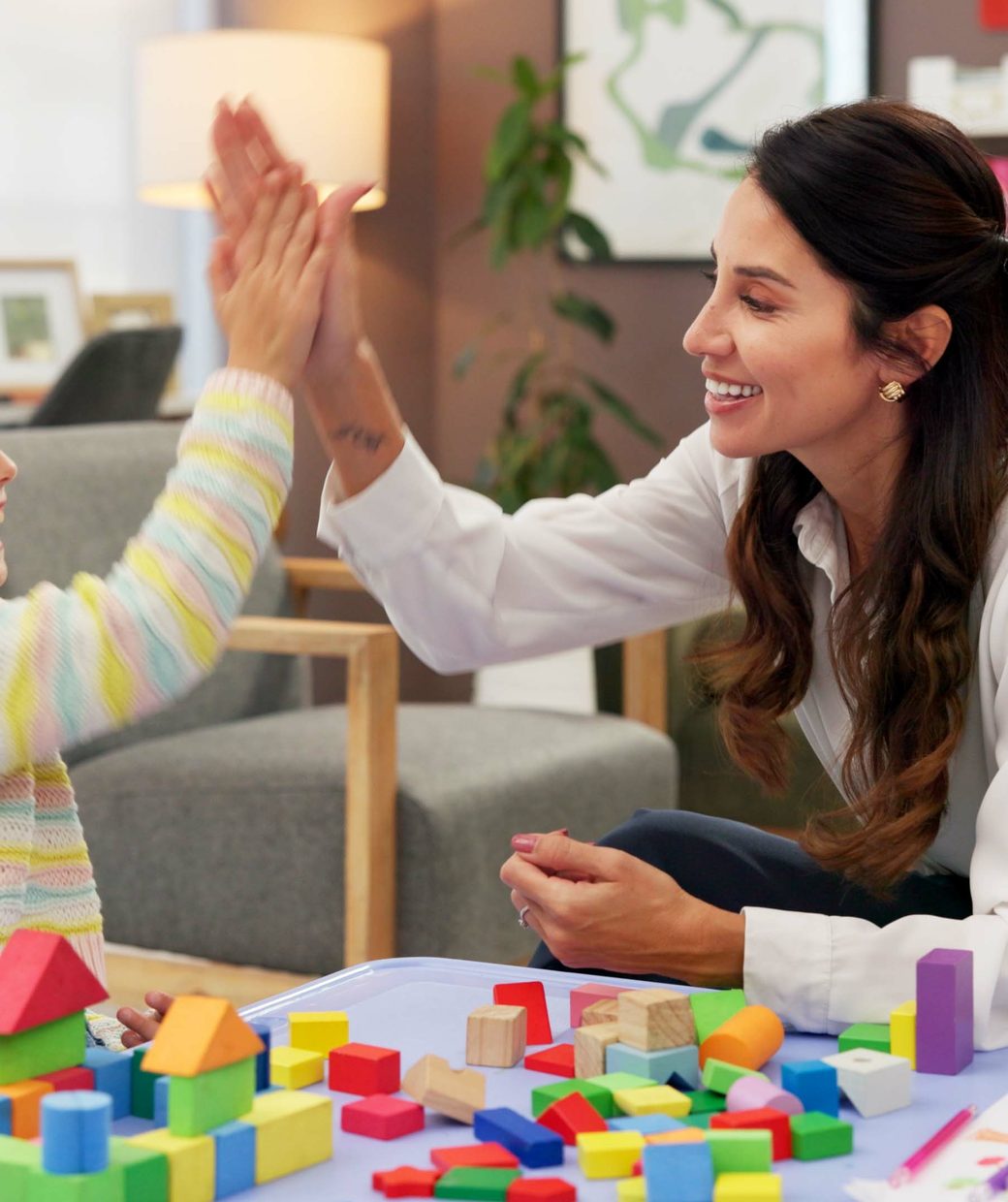
Therapy helps children reduce tantrums by using words to express frustration, practicing deep breathing for self-regulation, and establishing positive routines, such as a consistent bedtime.
The process
From your first call to your child’s first milestones — here’s the journey, step by step.
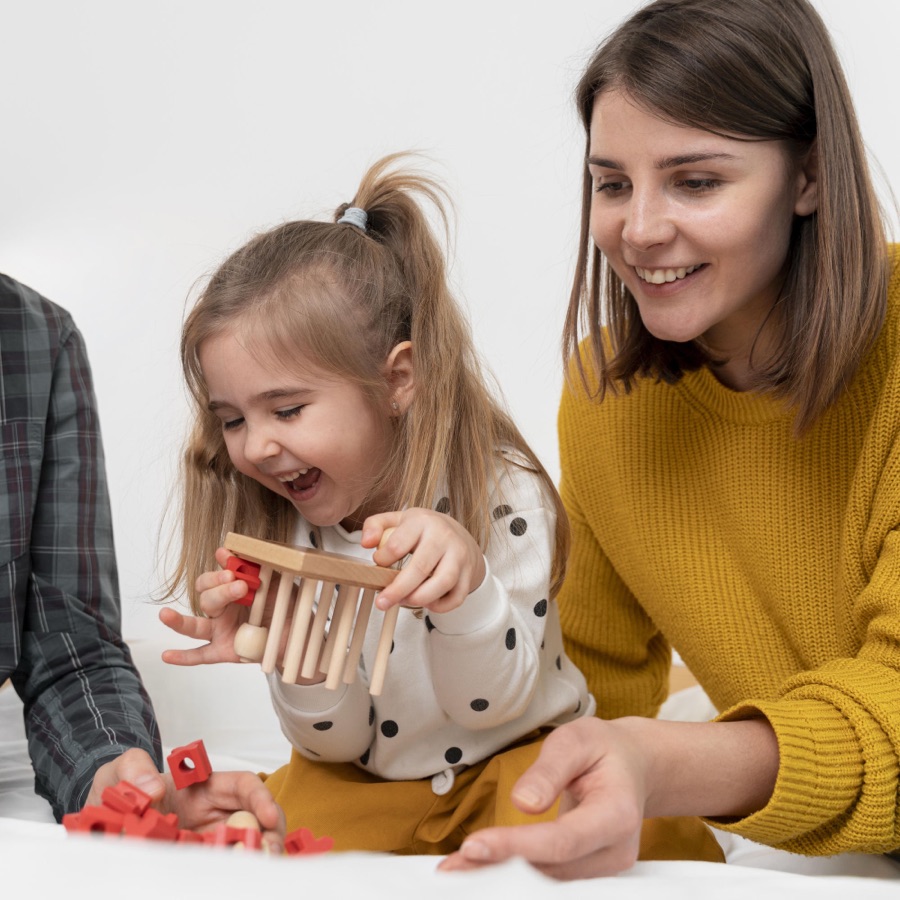
Call our office today to inquire about our ABA services at home.
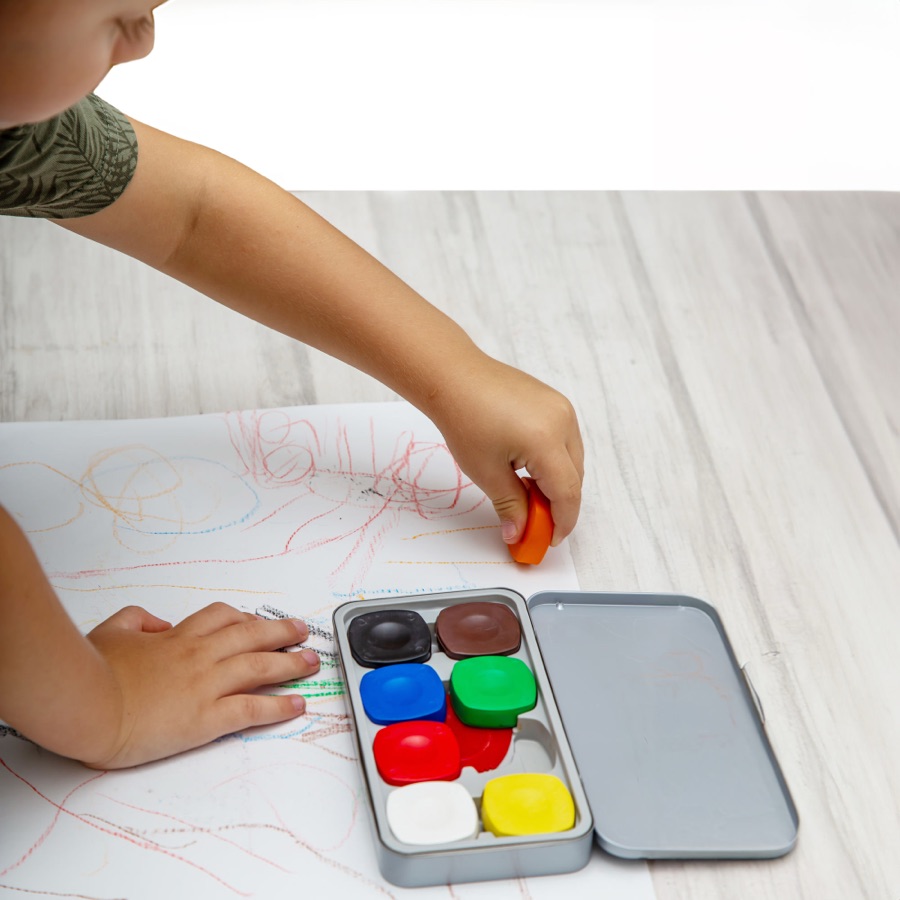
We simplify everything from insurance verification to enrollment, minimizing paperwork. We accept Medicaid and most major insurances.
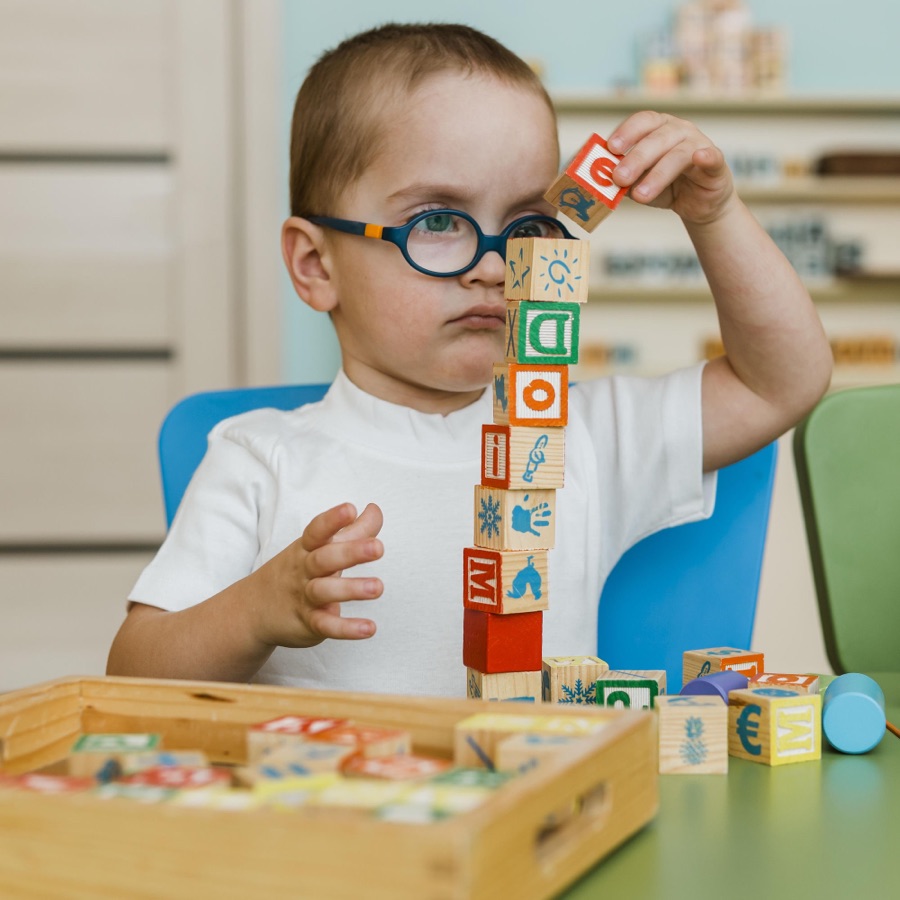
Our care begins with a thorough in-home assessment. Our clinical team evaluates your child’s strengths and weaknesses to develop a personalized treatment plan.
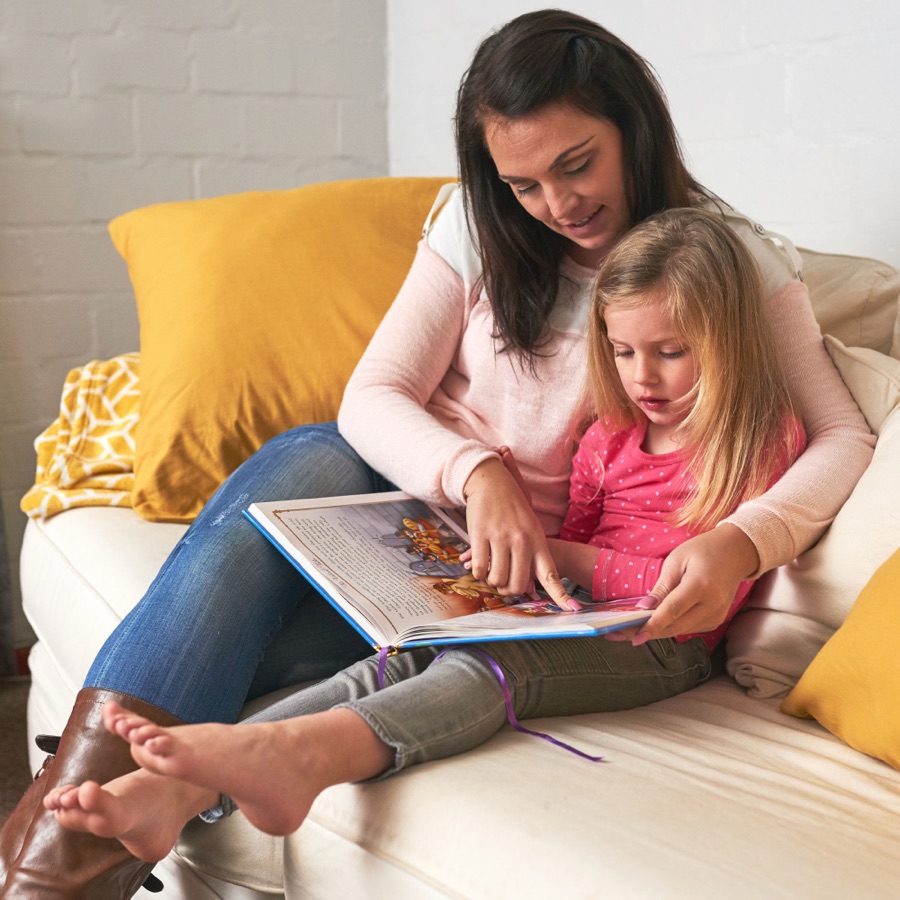
Our team of BCBAs (Board Certified Behavior Analysts) and RBTs (Registered Behavior Technicians) collaborate to deliver high-quality, convenient care directly in your home, tailored to your child’s needs.
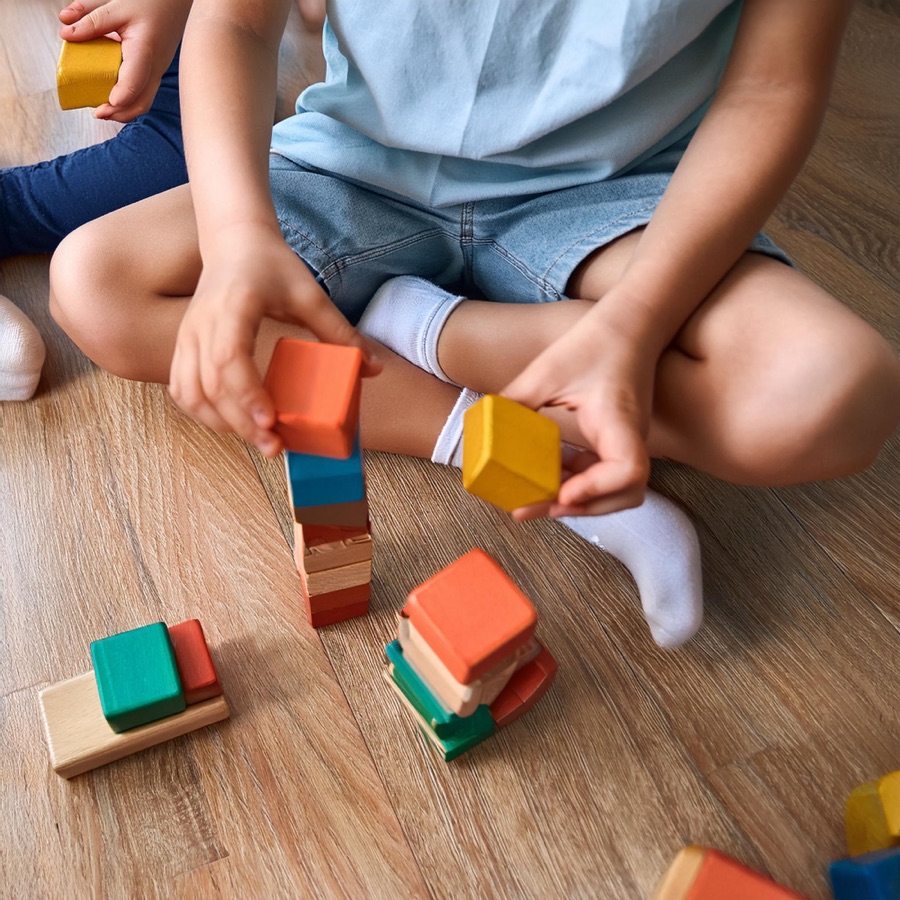
Watch your child thrive with our advanced in-home ABA therapy programs and collaborative approach. Experience remarkable progress as your child gains confidence, independence, and essential skills.
Testimonials
Before We Ring Your Doorbell
Choose a quiet area free from distractions like TVs or electronic devices. Consistently using this space for each session will help your child feel more comfortable and promote a routine. Discuss the best location with your Board Certified Behavior Analyst upon their arrival.
Ensure the space is equipped with a child-sized table and chairs. Have developmentally appropriate materials like sensory tools, toys, and puzzles ready. Store these items away when not in use to keep them special and effective for therapy.
Continue with your normal routines during therapy sessions, but always ensure a responsible adult is present in case the therapist needs to involve you. Actively participating and observing can enhance the therapy process. Your Board-Certified Behavior Analyst will review specific expectations with you.
FAQ
Blue Jay ABA has partnered with many insurance providers and manages the entire approval process, making in-home ABA therapy affordable and easy to access. You can check if we have partnered with your insurance company. For those without approved coverage, we offer reasonable and convenient payment plans to help reduce the financial burden of ABA therapy.
Center-based ABA therapy is conducted in a clinical setting designed for structured learning and social interaction with peers, providing a controlled environment for skill development. In contrast, home-based ABA therapy takes place in the child's own home, allowing for the integration of skills into daily routines and promoting generalization in a familiar setting. The choice between the two depends on the child’s specific needs, family preferences, and goals.
During in-home therapy, school-age children engage in activities designed to develop communication, social, and academic skills. They work on tasks like completing homework, improving daily routines, and practicing social interactions. Therapists use structured play, educational exercises, and behavior management techniques to support the child's development in a familiar environment.
We tailor our in-home ABA therapy hours based on medical recommendations to best suit your child's needs. We offer flexible home based ABA programs:
Our goal is to provide the most effective and convenient care possible for your child.
Parents can use the following ABA strategies at home:
Parents play an active role in ABA therapy by observing sessions, applying learned strategies at home, and reinforcing skills. They work closely with therapists to set goals and monitor progress, ensuring their child’s development is on track.
We provide home-based autism therapy services in many locations throughout North Carolina and Colorado. Our team is continually expanding to new places to ensure families across the state have access to high-quality, individualized ABA services in the comfort of their homes.
Your child doesn't need to go anywhere to get the help they deserve. No car rides, no waiting rooms, no stress — just your child learning where they feel most comfortable.